cheapest home refinance guide for savvy borrowers
How lenders set the price
Getting the cheapest home refinance is about more than the headline rate. Lenders price loans using credit score tiers, loan-to-value, loan size, and term. Discount points can buy a lower rate, but only pay if your breakeven arrives before you plan to move. Watch for lender credits: they reduce upfront fees but usually raise the rate.
Steps to secure a low-cost deal
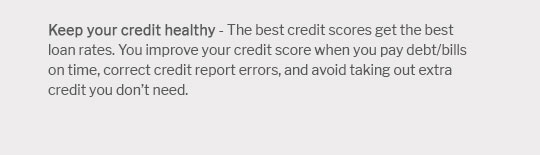
- Check your scores and debt-to-income; fix errors and pay down balances.
- Request at least three written quotes the same day to keep rate markets comparable.
- Ask for zero-point and low-cost scenarios to compare true APRs.
- Run a breakeven: total fees divided by monthly savings equals months to recover.
- Lock strategically and confirm the lock covers appraisal and underwriting timelines.
When cheapest isn't really cheap
A rock-bottom rate with high fees can be worse than a slightly higher rate with minimal costs. Consider prepayment penalties, escrow requirements, and whether an ARM introduces risk you do not want. If you might sell soon, a no-cost refinance with a modest rate can be the smarter, cheaper choice overall.